
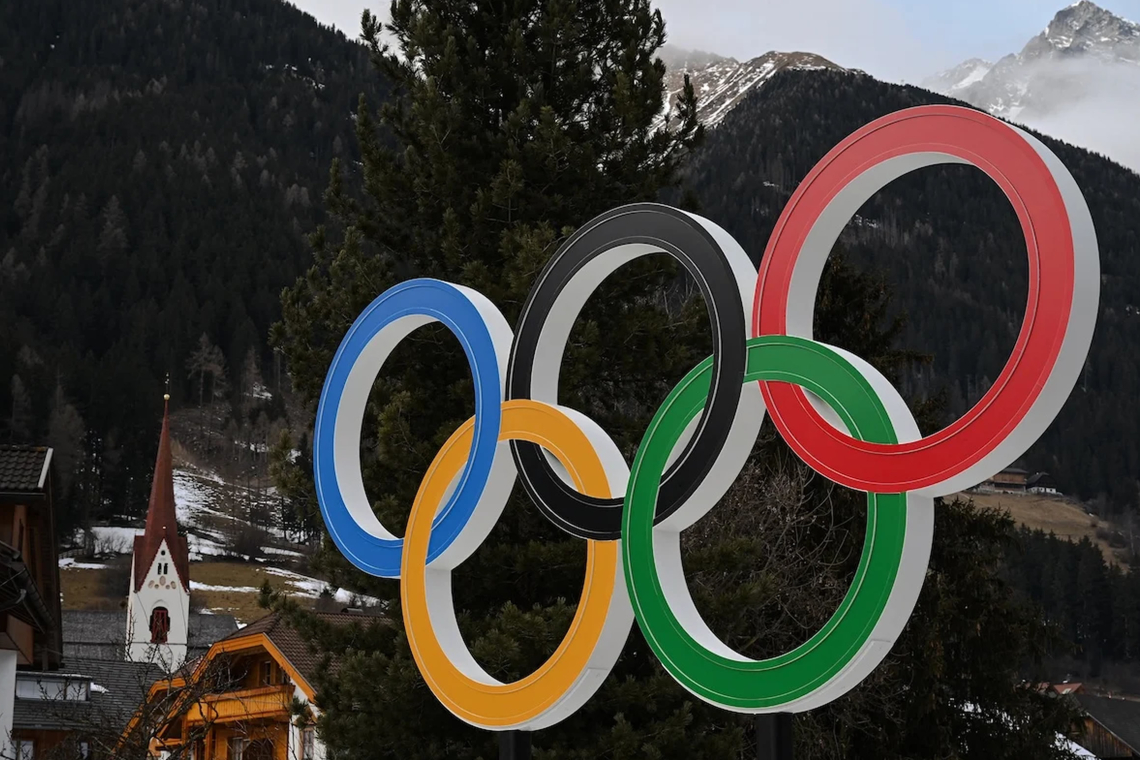
As the Milan–Cortina Winter Olympics prepared to open just hours away, Italian authorities were pushed into a heightened state of alert after a wave of Russian cyberattacks prompted an integrated security response combining cyber defense with extensive physical protection measures. Italy confirmed this week that it successfully blocked a coordinated series of cyber incidents aimed at government systems and Olympic‑related websites, reinforcing how major international sporting events have become prime targets in modern geopolitical confrontation. Italian Foreign Minister Antonio Tajani disclosed that roughly 120 websites were affected, including foreign ministry offices overseas and multiple sites connected to the Winter Games, such as hotels in Cortina d’Ampezzo.
Although officials stressed that the attacks were “effectively neutralized,” their timing underscored a broader reality: cyber threats are now as central to Olympic security planning as traditional physical risks.
Cyber Operations as Political Messaging
According to Tajani, the campaign initially struck Italy’s foreign ministry infrastructure reaching as far as the Italian embassy in Washington before expanding to systems linked to the Olympics. Responsibility was claimed by the Russian hacking group Noname057, which framed the operation as retaliation for Italy’s support of Ukraine. In a statement posted on Telegram, the group warned that Italy’s “pro‑Ukrainian stance” would be answered with distributed denial‑of‑service attacks, described rhetorically as digital “missiles” aimed at Italian websites. While AFP was unable to independently verify the group’s claims, cybersecurity experts observed that both the tactics and messaging are consistent with prior operations attributed to the same network.
Although DDoS attacks lack the technical sophistication of espionage campaigns, their strategic value during a globally visible event such as the Olympics is significant. Temporary disruptions to hotel portals, travel services, or government platforms can sow confusion, erode public confidence, and dominate headlines achieving political impact without escalating into physical conflict.
Digital Incidents Trigger Physical Security Escalation
Italy’s response has been broad and forceful. More than 6,000 police officers and close to 2,000 military personnel have been deployed across Olympic venues from Milan to the Dolomites. Security measures now include snipers, bomb disposal teams, counterterrorism units, and specialized skiing police. The defense ministry has also contributed drones, radar systems, aircraft, and more than 170 vehicles, highlighting how cyber incidents are now treated as catalysts for wider security mobilization. Milan, where the opening ceremony is set to take place at San Siro stadium, is facing particularly intense scrutiny as world leaders including U.S. Vice President JD Vance are expected to attend. By contrast, the International Olympic Committee maintained its long‑standing stance of silence on security matters. “We don’t comment on security,” IOC communications director Mark Adams said a position that, in an era of openly claimed and politically motivated cyberattacks, appears increasingly out of step with reality.
Political Tensions Extend Beyond Cybersecurity
Cyber threats are not the only factor complicating preparations for the 2026 Winter Games. The presence of officials from U.S. Immigration and Customs Enforcement (ICE) has triggered political backlash and public demonstrations. Milan Mayor Giuseppe Sala criticized the agency, saying ICE personnel were “not welcome” and going as far as labeling the organization “a militia that kills.”
Italy’s Interior Minister Matteo Piantedosi rejected those claims, clarifying that ICE’s Homeland Security Investigations unit would operate exclusively within U.S. diplomatic facilities and would not exercise law‑enforcement authority on Italian soil. Nevertheless, the symbolism has fueled unease particularly as Russian cyberattacks heighten sensitivities around foreign influence and national sovereignty. Even small details have been affected. A U.S.-run hospitality venue originally branded “Ice House” was quietly renamed “Winter House,” reflecting just how cautious the political atmosphere surrounding the Games has become.
Found this article interesting? Follow us on X(Twitter) ,Threads and FaceBook to read more exclusive content we post.

