
October 2026 highlighted a troubling evolution in the cyber threat landscape facing U.S. enterprises. Attackers increasingly abandoned traditional exploit-driven attacks in favor of identity-centric intrusions, cloud account compromise, token theft, and social engineering campaigns that abuse legitimate business services. Organizations across healthcare, government, banking, education, technology, and consulting sectors found themselves targeted by sophisticated operations designed to evade conventional security controls.
What makes these threats especially dangerous is their reliance on trusted platforms including Microsoft 365, Microsoft Entra, Adobe, DocuSign, ChatGPT, and Claude. Rather than breaking through security defenses, attackers are increasingly convincing users and systems to grant access willingly.
This article examines six critical cyber threats that posed significant risks to U.S. enterprises during October 2026, their attack methodologies, business impacts, and defense strategies.
1. SkyW4lker: Device-Code Phishing Targets Microsoft 365 Environments
Overview
SkyW4lker emerged as one of the most active phishing kits observed targeting enterprise cloud environments. Researchers identified 618 related investigations between June and October 2026, with nearly 46% of the observed activity affecting U.S. organizations.

Unlike conventional phishing operations that focus on harvesting usernames and passwords, SkyW4lker abuses Microsoft's legitimate device-code authentication workflow. This enables attackers to obtain access to corporate accounts without directly stealing credentials or bypassing multifactor authentication controls.
Attack Process
The campaign typically begins with phishing emails disguised as:
- Vendor invoices
- Contract documents
- Business proposals
- Procurement requests
- Financial agreements
Victims are guided through CAPTCHA validation screens and redirected to legitimate Microsoft authentication pages. The phishing operation persuades users to enter a device code that ultimately authorizes attacker-controlled sessions.
Enterprise Impact
Successful compromise can expose:
- Exchange Online email accounts
- Teams communications
- SharePoint repositories
- OneDrive files
- Internal business communications
- Customer information
Attackers can subsequently conduct business email compromise, establish persistence, launch internal phishing campaigns, and exfiltrate sensitive data.
Recommended Mitigations
Organizations should:
- Restrict device-code authentication where unnecessary
- Implement Conditional Access policies in Microsoft Entra
- Monitor OAuth consent grants
- Alert on unusual device-code sign-in activity
- Conduct continuous cloud identity monitoring
2. Fake AI Applications and Event Invitations
Overview
The rapid adoption of artificial intelligence tools has created a lucrative opportunity for cybercriminals. Researchers linked 1,258 investigations to malicious AI-themed campaigns impersonating popular services such as ChatGPT and Claude.
The popularity of AI platforms has provided attackers with an effective social engineering lure, particularly among enterprises eager to increase productivity through emerging technologies.

Attack Techniques
Threat actors employ several tactics:
Fake AI Applications
Fraudulent software installers masquerade as legitimate AI tools while secretly deploying:
- Infostealers
- Remote access malware
- Browser credential harvesters
- Persistence mechanisms
Fake AI Events
Attackers distribute invitations to webinars, demonstrations, and AI conferences, directing victims to credential theft infrastructure. These campaigns frequently target:
- Microsoft 365 credentials
- Google Workspace accounts
- Enterprise SSO environments
Session Cookie Theft
In some cases, attackers distribute legitimate-looking software while stealing browser session cookies behind the scenes. This technique can permit account hijacking without requiring users to re-enter credentials or complete MFA challenges.
Business Consequences
Potential outcomes include:
- Account takeover
- Intellectual property theft
- Unauthorized cloud access
- Corporate espionage
- Data breaches
- Regulatory exposure
Defensive Measures
Effective controls include:
- Application allow listing
- Software approval processes
- Browser isolation technologies
- Security awareness training focused on AI-themed threats
- Session token protection
- Endpoint Detection and Response solutions
3. GeorgeGinx: Phishing-as-a-Service Expansion
Overview
GeorgeGinx represents a new generation of industrialized phishing operations. The campaign specifically targets sectors including government, banking, healthcare, and information technology within the United States.

As a Phishing-as-a-Service platform, GeorgeGinx enables less sophisticated criminals to conduct enterprise-grade credential theft campaigns using professionally maintained infrastructure.
How the Campaign Works
The operation abuses trusted services such as Adobe Shared Links.
Attack flow:
- Victim receives a legitimate-looking Adobe sharing notification.
- The user clicks a trusted Adobe URL.
- Hidden redirects activate.
- Victims are routed to Microsoft device-code phishing pages.
- Attackers obtain authentication tokens.
Why It Is Effective
Traditional user awareness training emphasizes checking URLs and domain names.
Because GeorgeGinx leverages legitimate Adobe infrastructure, victims often observe:
- Valid Adobe domains
- HTTPS encryption
- Familiar branding
- Normal business workflows
These factors significantly increase trust and reduce suspicion.
Risk to Enterprises
Affected organizations may experience:
- Executive account compromise
- Data leakage
- Financial fraud
- Supply-chain attacks
- Lateral movement within cloud environments
Security Recommendations
Organizations should:
- Inspect full redirect chains
- Analyze browser-level HTTP activity
- Monitor device-code authentication events
- Review suspicious OAuth permissions
- Verify document-sharing requests through secondary channels
4. WKLP: Malware That Disables Security Controls
Overview
WKLP is a Python-based malware family that combines the capabilities of an information stealer, remote access trojan, and persistence framework. The malware has been observed targeting government organizations in both the United States and France.

Its primary objective is to establish long-term access while weakening endpoint security protections.
Technical Capabilities
Credential Theft
WKLP harvests:
- Browser passwords
- Authentication artifacts
- Stored account credentials
File Collection
The malware actively searches for:
- Sensitive documents
- Government-related files
- Corporate intellectual property
Remote Access
Attackers gain persistent control of compromised endpoints, enabling:
- Command execution
- Surveillance
- Data exfiltration
- Further malware deployment
Security Evasion
More concerning is WKLP's ability to:
- Create Microsoft Defender exclusions
- Terminate security processes
- Modify firewall configurations
- Abuse PowerShell execution
- Leverage legitimate Python runtimes to evade detection
Enterprise Risks
WKLP infections can produce:
- Long-term persistence
- Data theft
- Ransomware precursor activity
- Incident response challenges
- Increased recovery costs
Mitigation Strategies
Security teams should:
- Enable Microsoft Defender Tamper Protection
- Audit security exclusions regularly
- Monitor PowerShell activity using Sysmon
- Detect unauthorized firewall rule modifications
- Restrict unnecessary Python execution across endpoints
5. Mir0Auth: Token Theft Through Device-Code Abuse
Overview
Mir0Auth is another phishing operation focused on compromising Microsoft 365 environments by stealing authentication tokens instead of credentials. Significant activity has been observed against U.S. organizations.

The campaign demonstrates how attackers increasingly target identity infrastructure rather than traditional login credentials.
Attack Sequence
The workflow usually follows these steps:
- Victim receives a phishing email.
- A malicious PDF is included.
- The PDF redirects to a fake DocuSign portal.
- Obfuscated scripts execute.
- Hidden authentication requests occur.
- Microsoft access tokens are stolen.
- Attackers gain access to cloud resources.
Business Impact
Stolen tokens can provide access to:
- Corporate email
- SharePoint content
- Teams conversations
- OneDrive repositories
- Internal documentation
Unlike password theft, token theft frequently generates fewer security alerts and can persist until sessions are revoked.
Recommended Controls
Organizations should:
- Monitor all device-code authentication requests
- Revoke suspicious sessions immediately
- Audit OAuth applications
- Enforce Conditional Access controls
- Hunt for unfamiliar token issuance events
- Integrate threat intelligence feeds into SIEM platforms
6. Identity-Centric Attack Chains: The Emerging Enterprise Threat
The Bigger Pattern
Beyond the individual malware families and phishing kits, the sixth and perhaps most important threat is the emergence of identity-centric attack chains that combine multiple tactics into a single intrusion path. October 2026 activity revealed a common pattern among threat actors: attackers increasingly focus on obtaining legitimate authentication rather than exploiting software vulnerabilities.
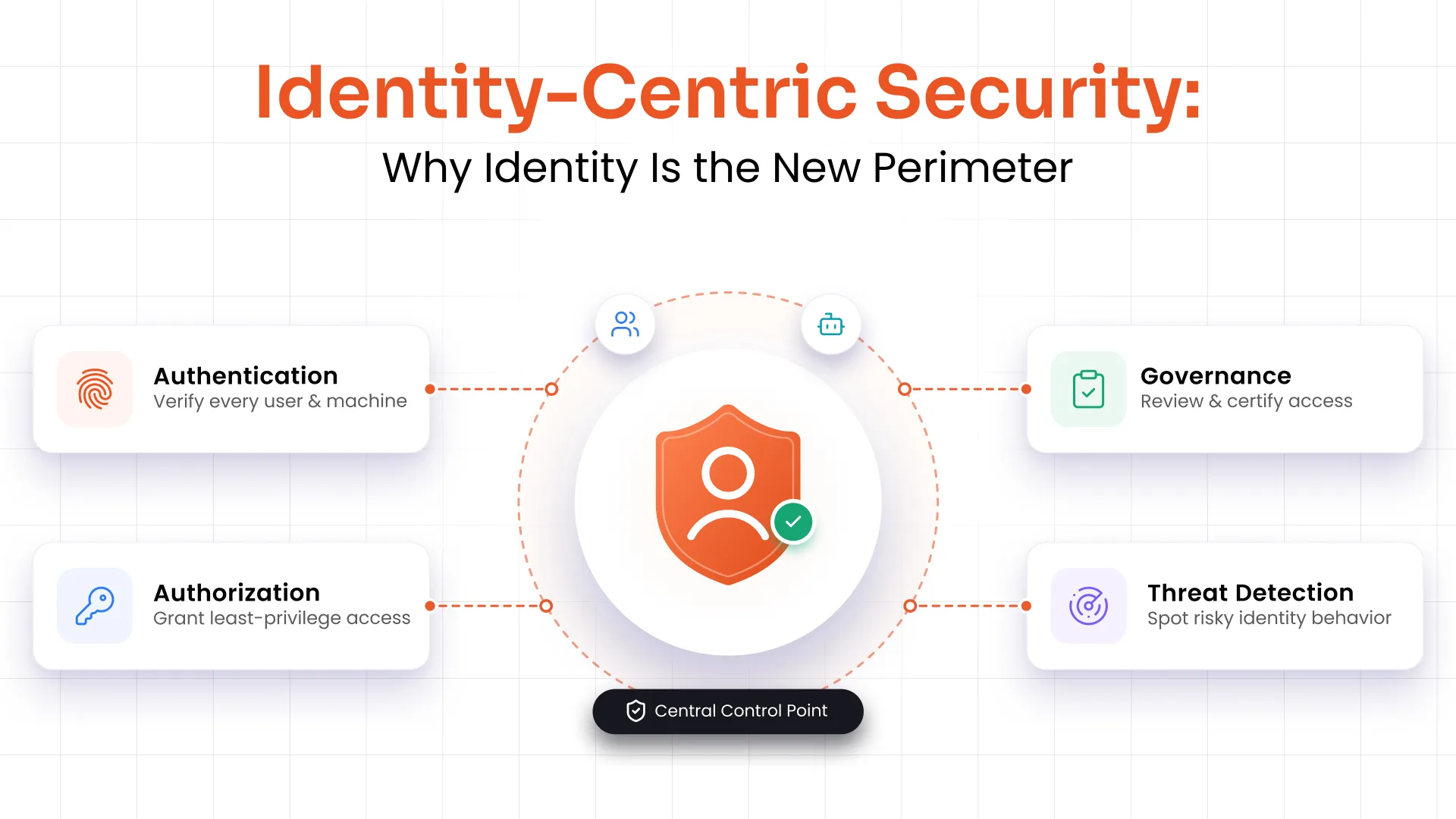
Across SkyW4lker, GeorgeGinx, Mir0Auth, and AI-themed campaigns, several themes repeatedly appeared:
- Device-code phishing
- OAuth abuse
- Access token theft
- Session hijacking
- Trusted service impersonation
- Cloud identity compromise
Why This Matters
Traditional security models were built around:
- Malware detection
- Perimeter defenses
- Signature-based blocking
Modern attacks increasingly bypass these controls because:
- Authentication appears legitimate
- Users willingly grant permissions
- Trusted services are abused
- Tokens replace stolen passwords
This makes detection significantly more difficult.
Strategic Recommendations for CISOs
To combat identity-driven threats, enterprises should prioritize:
Zero Trust Architecture
Implement continuous verification using:
- Microsoft Entra Conditional Access
- Privileged Identity Management (PIM)
- Risk-based authentication
Identity Threat Detection and Response (ITDR)
Solutions such as:
- Microsoft Defender for Identity
- CrowdStrike Falcon Identity Protection
- Palo Alto Networks Cortex XSIAM
- SentinelOne Singularity Identity
can detect abnormal authentication activity.
Continuous Token Monitoring
Organizations should monitor:
- OAuth grants
- Token issuance events
- Unusual session activity
- Cross-country sign-ins
- Privilege escalation attempts
Security Awareness Evolution
Training programs should move beyond basic phishing awareness and focus on:
- Device-code abuse
- OAuth consent risks
- AI-themed fraud
- Session hijacking techniques
Conclusion
October 2026 demonstrated that modern cyber threats are increasingly centered around identity rather than infrastructure. Campaigns such as SkyW4lker, GeorgeGinx, WKLP, and Mir0Auth, alongside widespread fake AI campaigns, illustrate how cybercriminals exploit trusted platforms to gain unauthorized access while avoiding traditional defenses.
For U.S. enterprises, the path forward requires stronger cloud identity protection, Zero Trust security architectures, advanced threat detection, and continuous monitoring of authentication events. Organizations that focus solely on malware prevention will increasingly find themselves vulnerable to attacks that never exploit a vulnerability at all, but instead exploit trust itself.
Found this article interesting? Follow us on X(Twitter) ,Threads and FaceBook to read more exclusive content we post.
